
Friday, April 9, 2027
7:30 pm
$40 General Admission
$20 Basic Glencairn Museum members
Free for Patron and Gold Glencairn Museum members
Patron members enjoy reserved seating; all other seats are general admission.
Reservations for Patron members must be made by 5:00 pm on Tuesday, April 6, 2027, to secure this benefit.
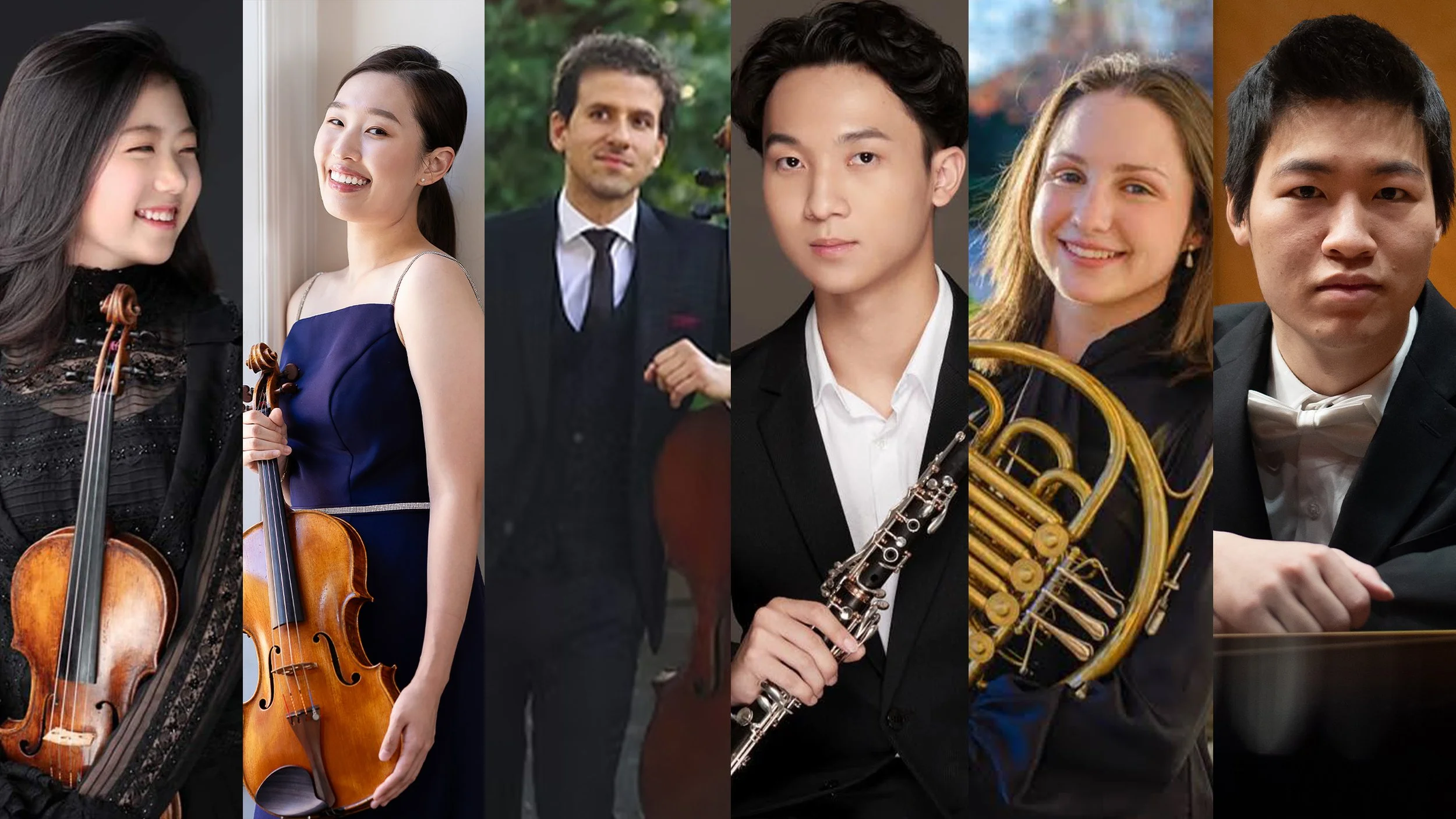
Glencairn Museum is pleased to welcome the Curtis Institute of Music’s Dohnányi Sextet for an evening of chamber music featuring piano, violin, viola, cello, clarinet, and horn. This concert is part of Curtis on Tour, the Nina von Maltzahn global touring initiative of the Curtis Institute of Music. Led by cellist Nicholas Canellakis, the ensemble features emerging artists Della Kyun, violin; Yunji Jang, viola; James Lee, clarinet; Liz Crafton, horn; and Jack Gao, piano.
The program opens with virtuosic duos by Schumann and Halvorsen, followed by Brahms’s lyrical Clarinet Trio. The evening concludes with Dohnányi’s expansive Sextet for winds, strings, and piano.
For more than a century, the Curtis Institute of Music has provided world-class, tuition-free training to a select group of young musicians, pairing students with faculty who are active professional performers. The relationship between Curtis and Glencairn has deep roots. Raymond and Mildred Pitcairn developed friendships with members of the Philadelphia Orchestra and Curtis faculty, and generations of the Pitcairn family have supported Curtis’ students, ensembles, and alumni.
This concert continues Glencairn’s longstanding musical tradition, which includes the cherished Glencairn Christmas Sing and decades of performances curated by cellist and philanthropist Lachlan Pitcairn. Following the enthusiastic reception of the Curtis Chamber Orchestra’s sold-out March 2026 performance, this concert offers another opportunity to celebrate the artistic relationship between the two institutions.
Join us for an evening of chamber music celebrating the enduring artistic relationship between Curtis and Glencairn.
Tentative Program:
(Final selections subject to change)
Robert Schumann (1810–1856)
Adagio and Allegro, Op. 70
Johan Halvorsen (1864–1935)
Sarabande con variazioni on a Theme by George Frideric Handel
Johannes Brahms (1833–1897)
Trio in A minor, Op. 114
Intermission
Ernst von Dohnányi (1877–1960)
Sextet in C major, Op. 37
About the Artists:
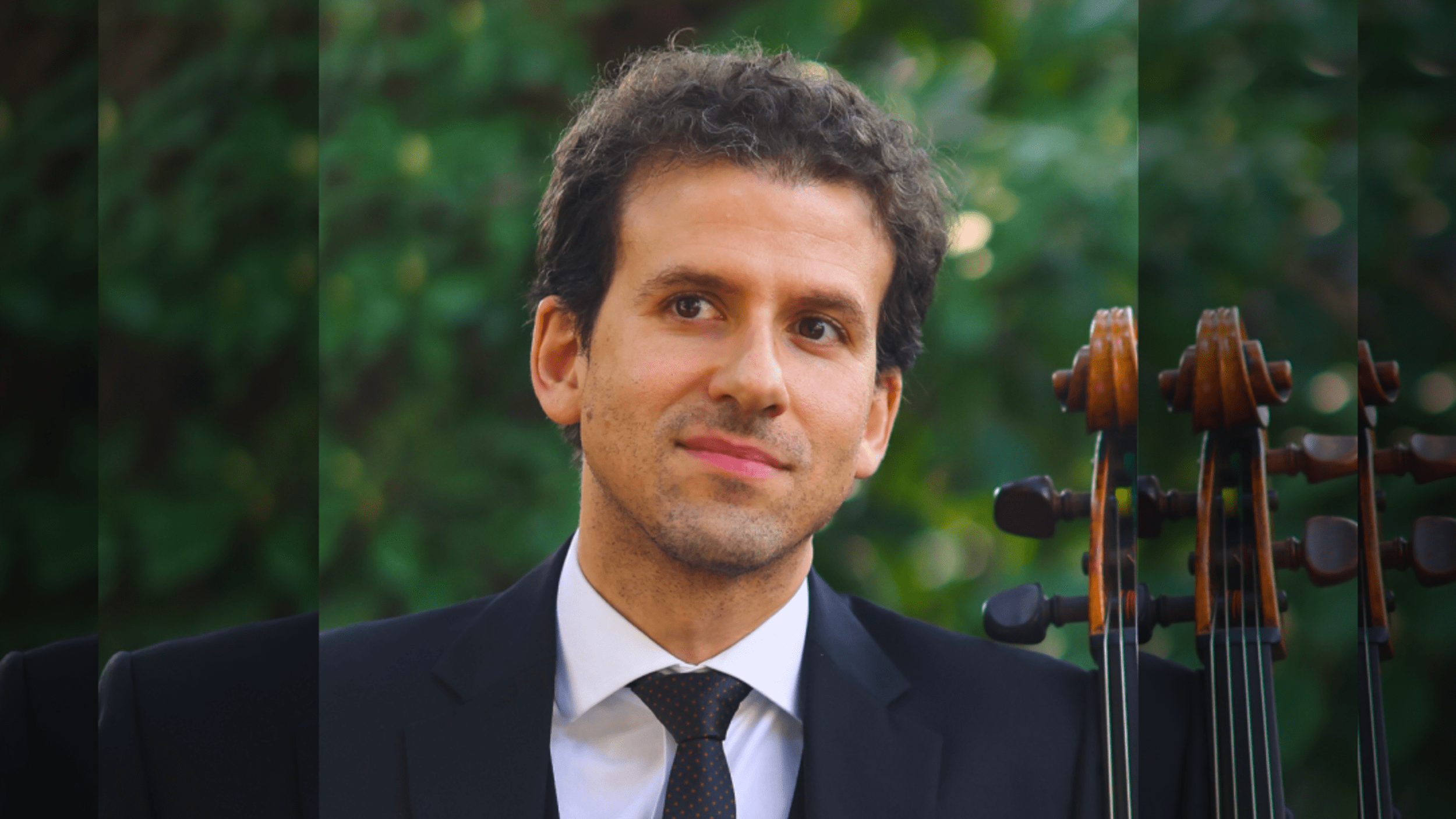
Nicholas Canellakis, cello
Nicholas Canellakis is an internationally acclaimed cellist, chamber musician, composer, and artistic director. He performs regularly as a soloist and chamber musician throughout the United States and abroad, with appearances at Carnegie Hall, Lincoln Center, Wigmore Hall in London, and leading music festivals around the world. He is a longtime artist of the Chamber Music Society of Lincoln Center and artistic director of Chamber Music Sedona in Arizona.
A dedicated educator, Canellakis serves on the cello faculty of the Curtis Institute of Music in Philadelphia. He is also an accomplished filmmaker and creative artist whose musical and comedic short films have garnered millions of views online.
A graduate of the Curtis Institute of Music and the New England Conservatory, Canellakis studied with cellists Orlando Cole, Peter Wiley, Paul Katz, and Madeleine Golz. He performs on an 1840 Jean-Baptiste Vuillaume cello.
About the Curtis Institute of Music
The Curtis Institute of Music nurtures the world’s most talented young musicians, helping them become exceptional artists, creators, and innovators. With a tuition-free model and a deliberately small student body, Curtis provides intensive, individualized training with some of the most distinguished faculty in the world.
Guided by a learn-by-doing philosophy, Curtis students perform more than 100 concerts each year, including solo recitals, chamber music, orchestral programs, and opera, many of which are free or affordably priced, giving audiences unique access to the development of emerging artists. Beyond performance, students engage with leading musicians and organizations, explore innovative approaches integrating technology and entrepreneurship, and benefit from a vibrant, collaborative community on Curtis’s historic Philadelphia campus.
For over a century, Curtis has cultivated musicians who inspire, challenge, and lead—shaping the future of classical music with creativity, excellence, and purpose.