
Glencairn Museum News | Number 6, 2025
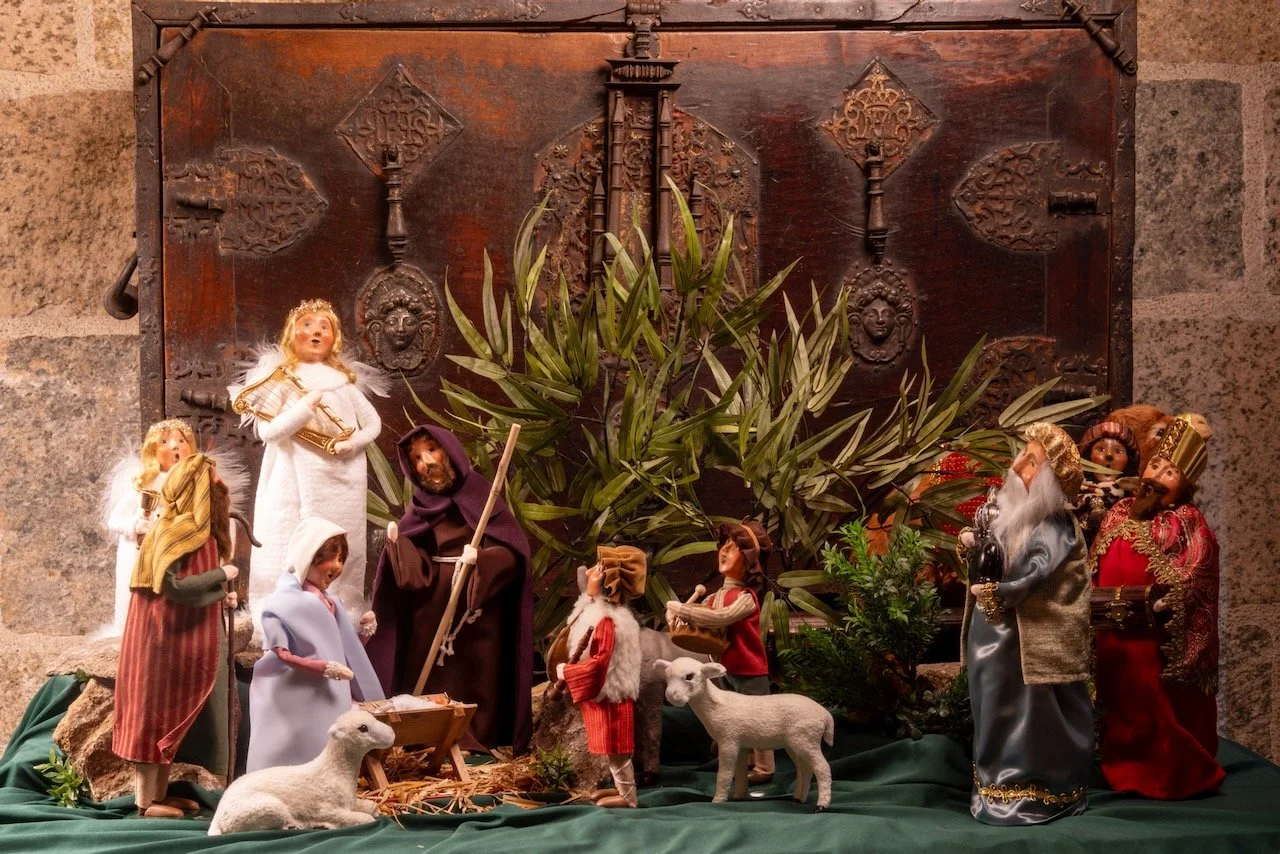
This Nativity was designed by Joyce Byers, whose well-known Carolers are produced by the family-owned Byers’ Choice company in Chalfont, Pennsylvania. The family endeavor began in the late 1960s, when Joyce made her first Carolers as a table decoration. The next year they were given as gifts, and some were sold at a local store. Today, over forty artisans are employed by the company.
On Saturday, November 29, 2025, at the members’ opening of this year’s World Nativities exhibition, attendees heard an illustrated presentation by Kirsten Hansen Gyllenhaal titled “World Nativities: A Look Back.” Gyllenhaal has co-curated the annual exhibition together with her husband, Ed Gyllenhaal, Glencairn’s curator, since 2009. In addition to her long involvement with World Nativities, Kirsten serves as the Museum’s researcher, writer, and digital content specialist.
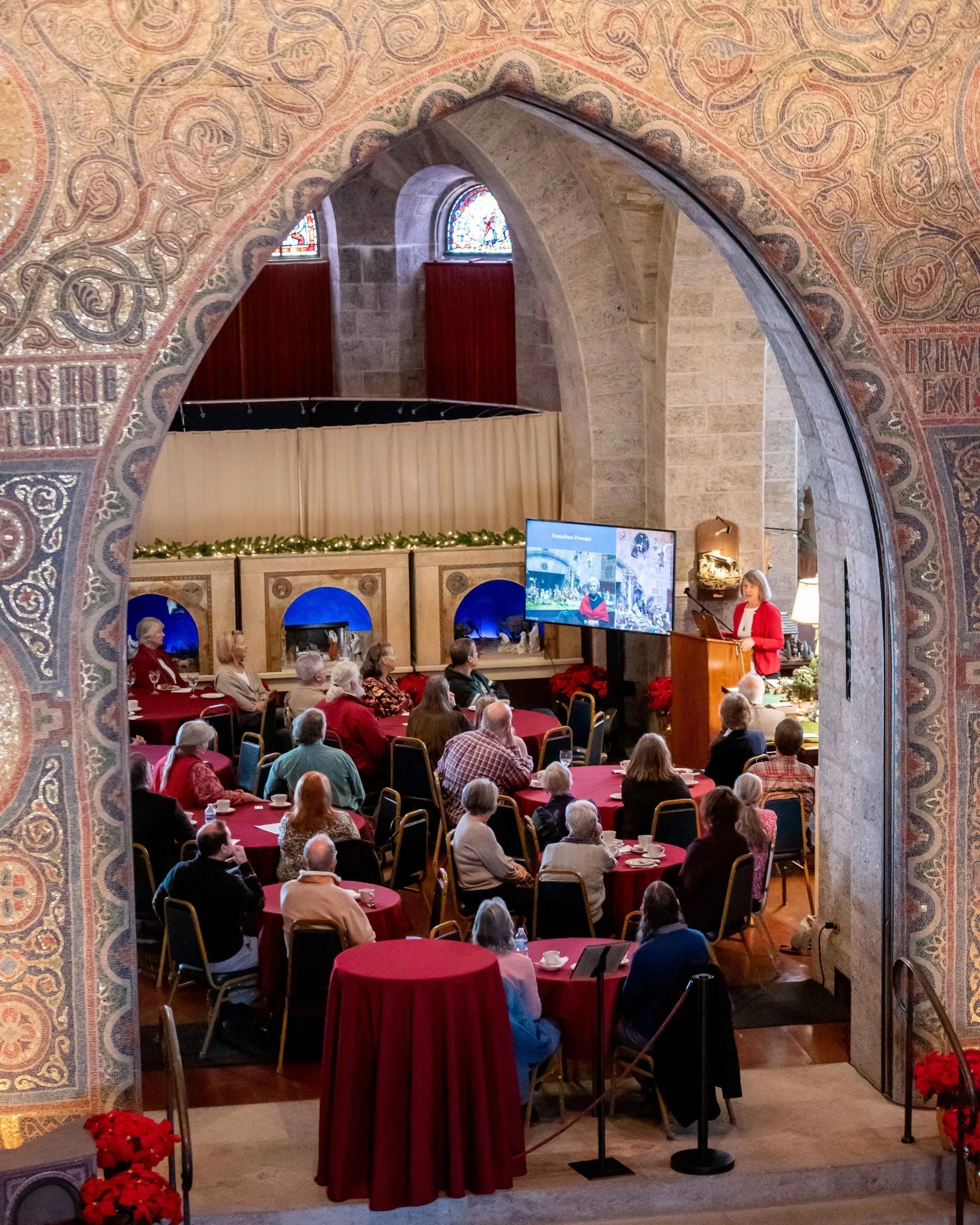
Figure 1: The members’ opening of this year’s World Nativities exhibition took place on Saturday, November 29, 2025.
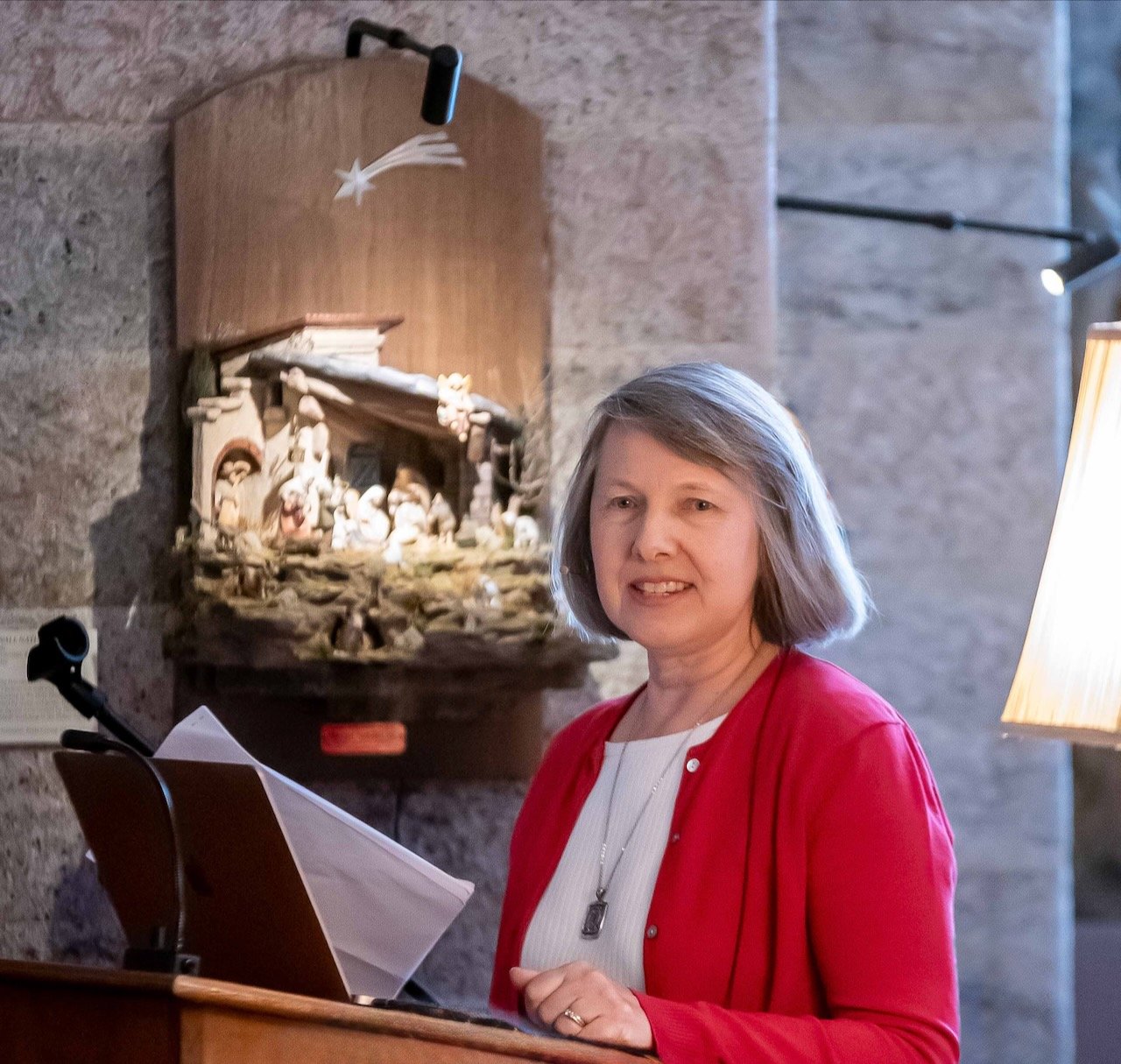
Figure 2: Kirsten Hansen Gyllenhaal presenting “World Nativities: A Look Back.”
Drawing on years of research and the many personal and institutional relationships formed through this work, Kirsten shared the story of how World Nativities began and how it grew through collaborations that brought remarkable kindness, knowledge, and artistic talent to Glencairn. Several of the artists, collectors, and others who have helped foster wider appreciation for Nativities were present, including Rita Bonaccorsi Bocher. Bocher was the founder of The Creche Heraldand one of the founders of the nonprofit organization Friends of the Creche.
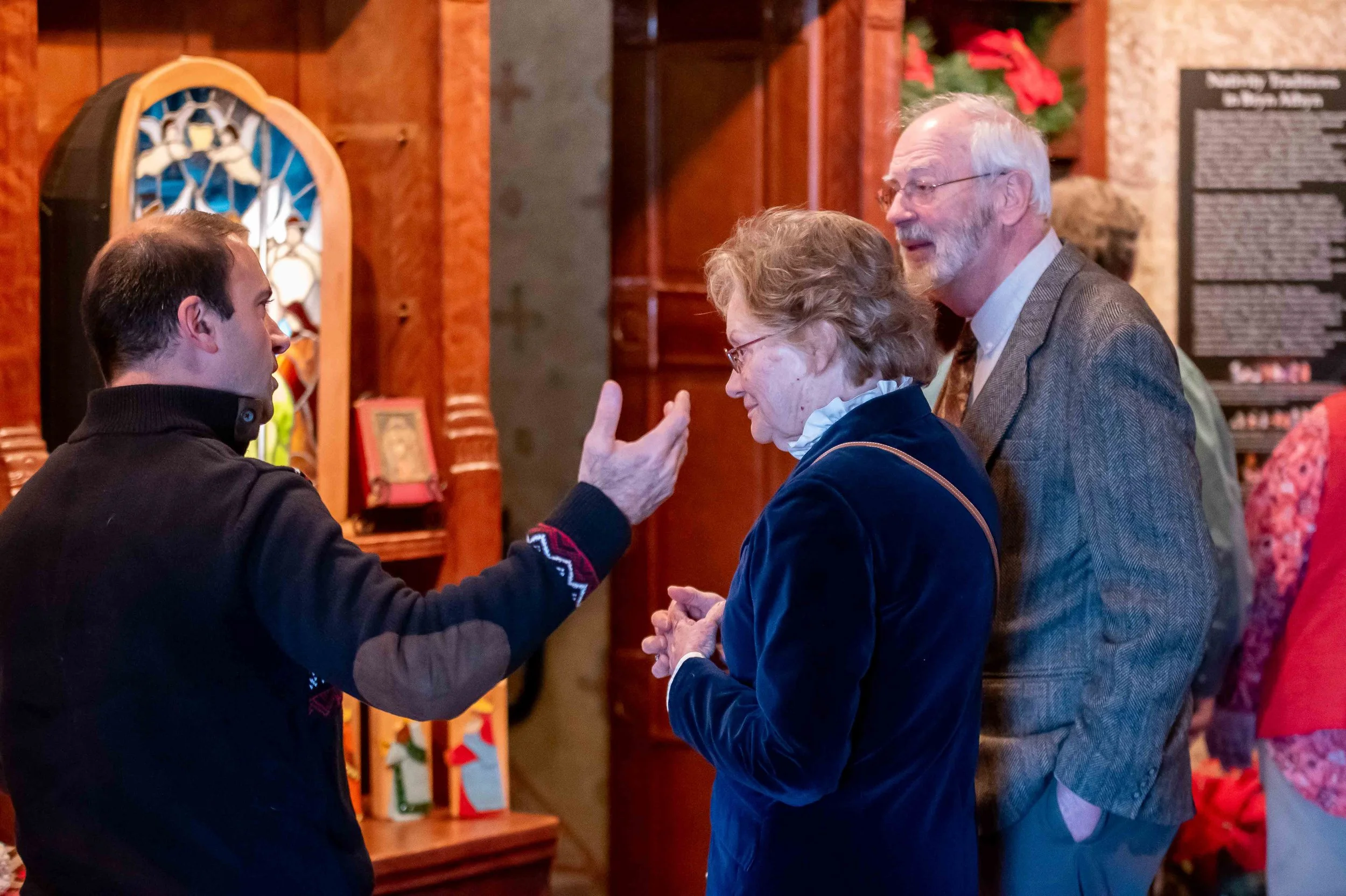
Figure 3: A.J. DiAntonio (left) with the Make Your Own Nativity exhibit, which was inspired by his lifelong passion for crafting Nativity scenes.
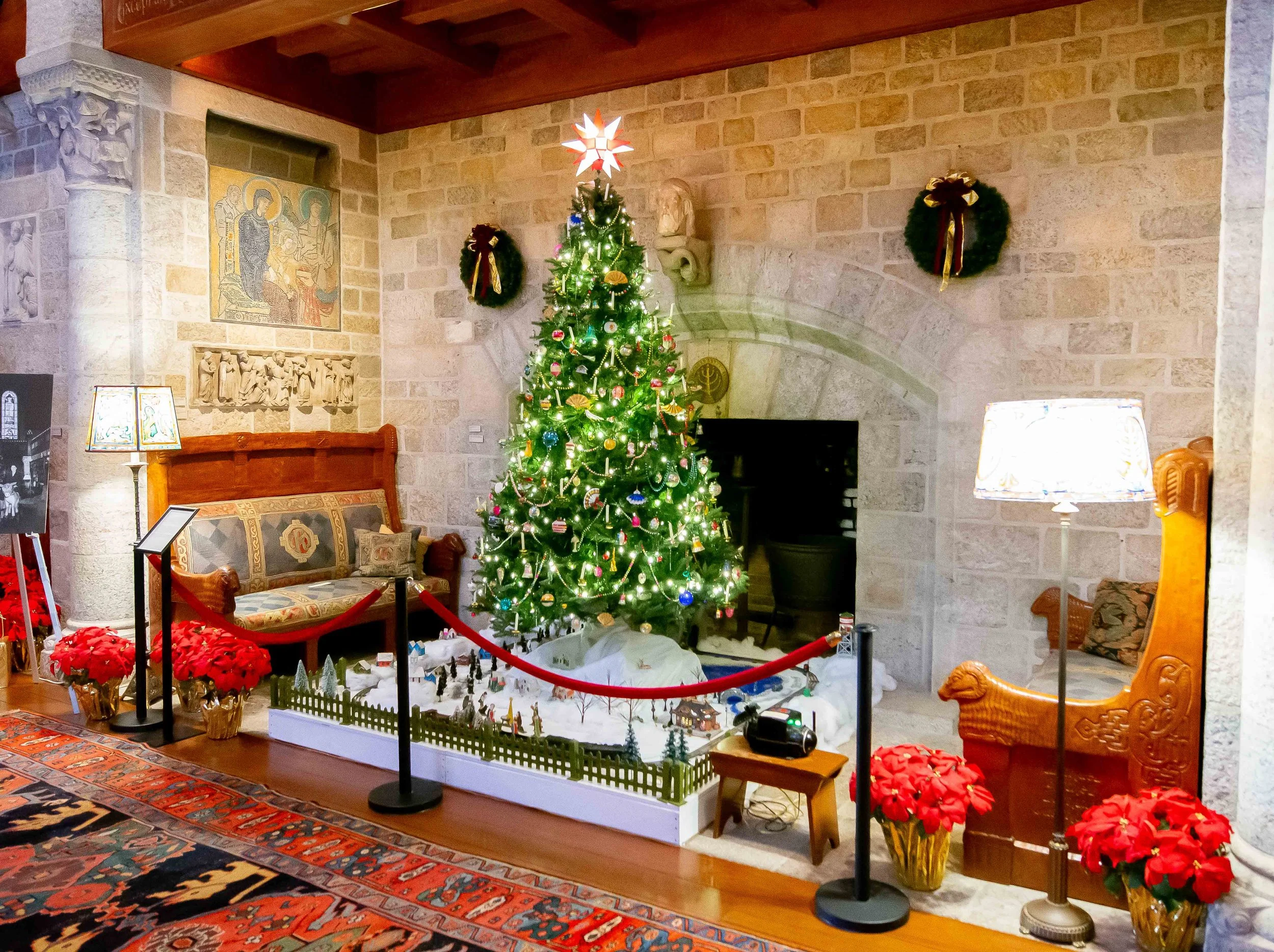
Figure 4: Glencairn’s tree with vintage ornaments and Christmas village, most of which were donated in 2011 by Brother Bob Reinke of Hoboken, New Jersey. The Nativity beneath the tree this year was handmade in the 1930s by a family in eastern Germany.
World Nativities this year includes a Make Your Own Nativity exhibit, inspired by the lifelong creativity of A.J. DiAntonio of Malvern, Pennsylvania (Figures 6–10). Since childhood, DiAntonio has crafted Nativity scenes from a wide variety of materials—wood, clothespins, felt, hardware, and even sticks found in his yard. The eight Nativities on exhibit trace his artistic journey from imaginative home projects made with family members to the skills he now brings to his professional work as an artist for Navidad Nativities, Inc., the Bucks County atelier he co-directs with Michael J. Stumpf.
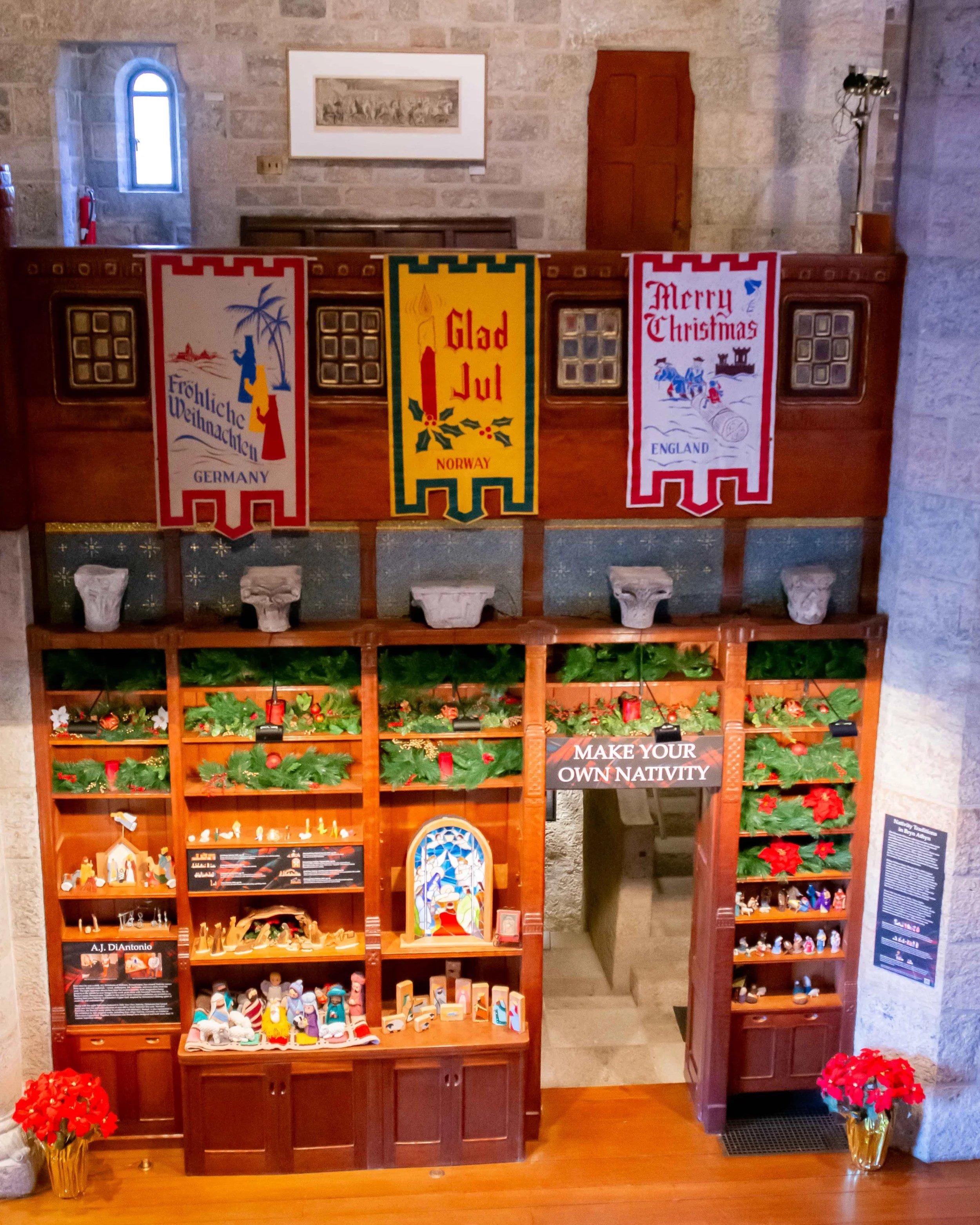
Figure 5: The Make Your Own Nativity exhibit in Glencairn’s Great Hall.
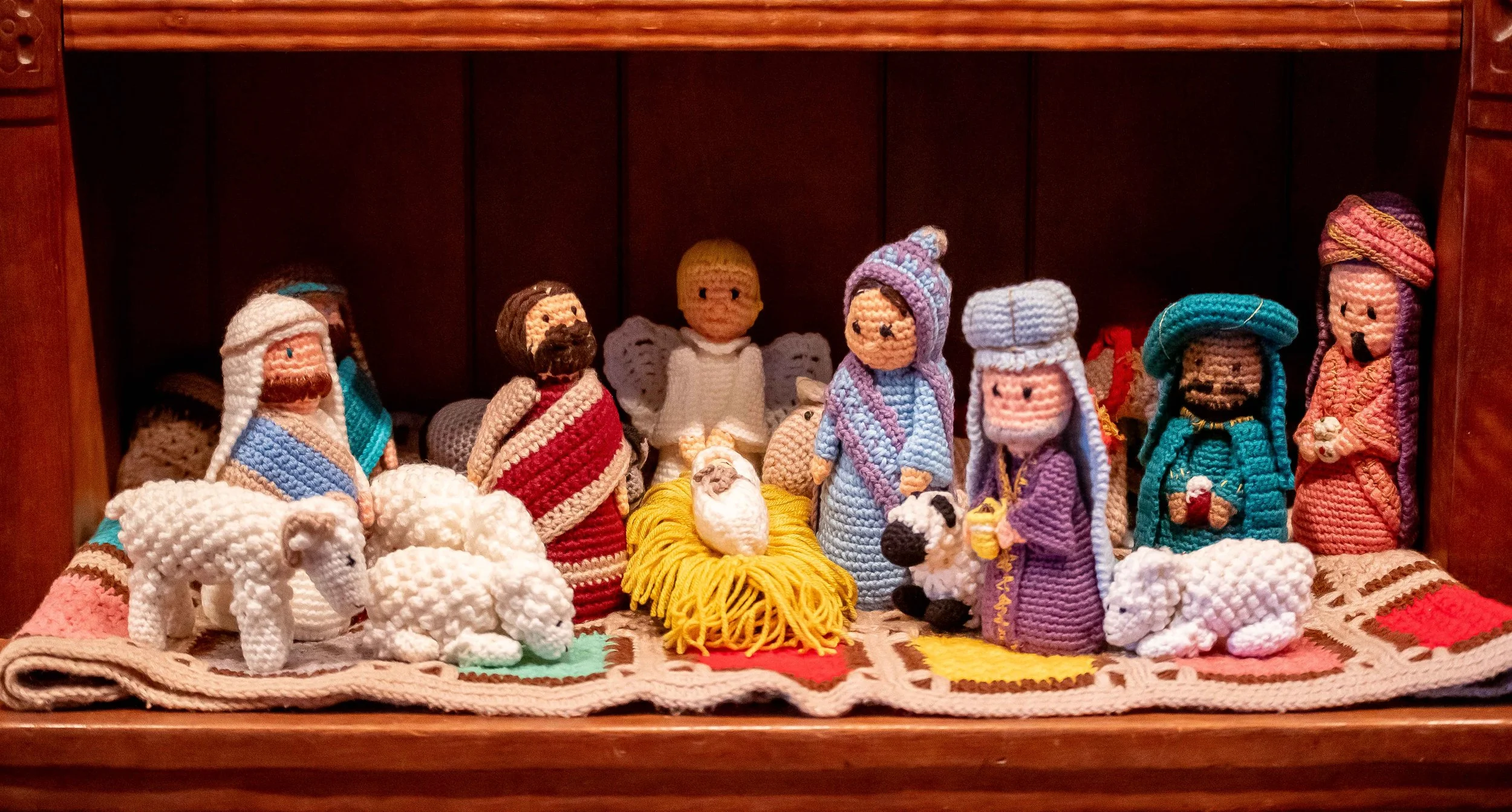
Figure 6: Crocheted Nativity (1993, age 13). Stitched together by A.J. DiAntonio using crocheted pieces made by his grandmother, Anne DiMarino, with added facial and hair details. On loan from A.J. DiAntonio.
Visitors to World Nativities are invited to try their hand at making their own Nativity at a craft station in Glencairn’s Upper Hall. In addition to the eight Nativities shown in Make Your Own Nativity, DiAntonio has loaned many from his personal collection of more than 600 Nativities from around the world to this year’s World Nativities exhibition.
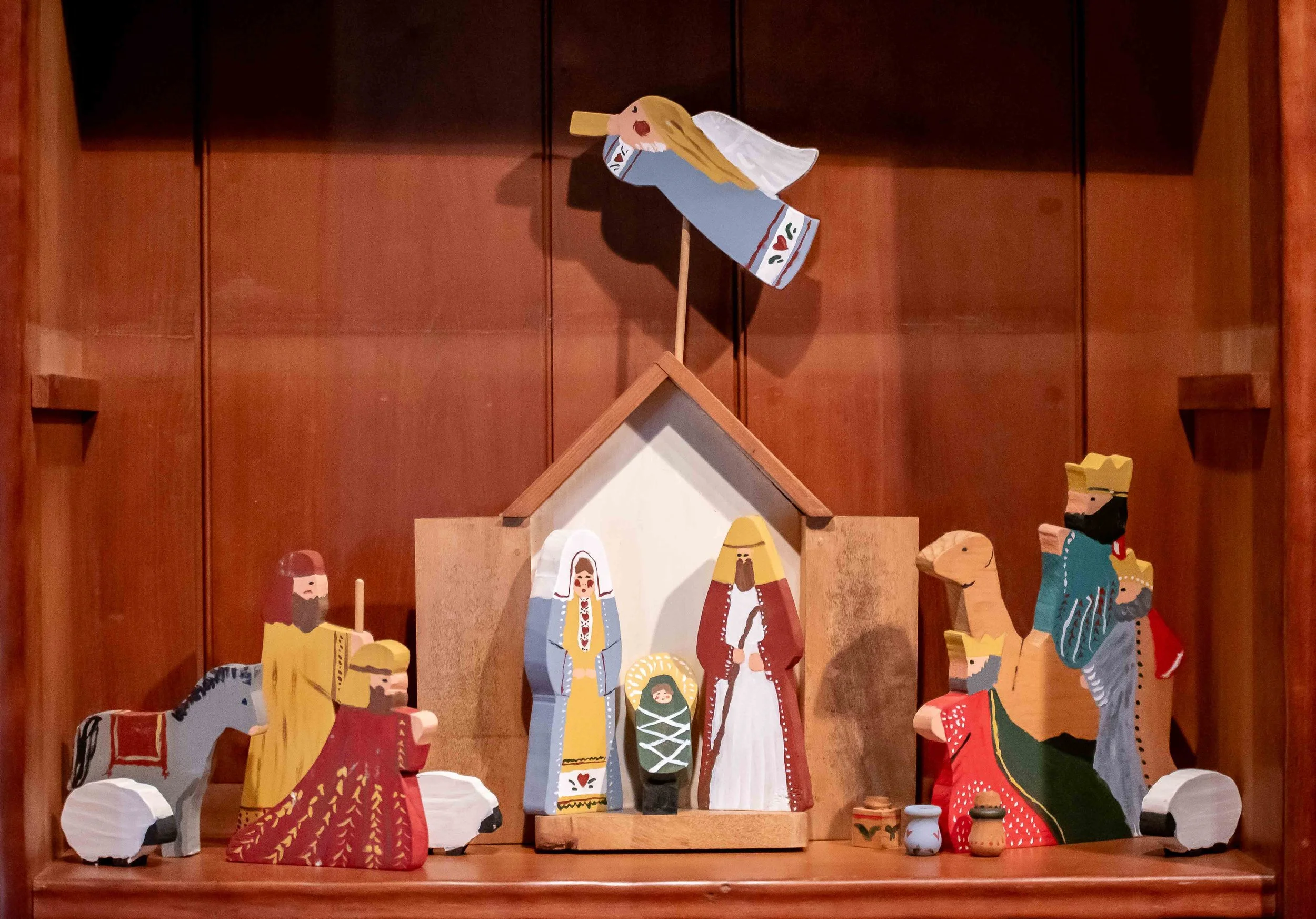
Figure 7: Pine scroll saw painted Nativity (1995, age 15). Cut from pine boards and painted by A.J. DiAntonio with help from his Aunt Ellie and Uncle Phil DiMarino. On loan from A.J. DiAntonio.
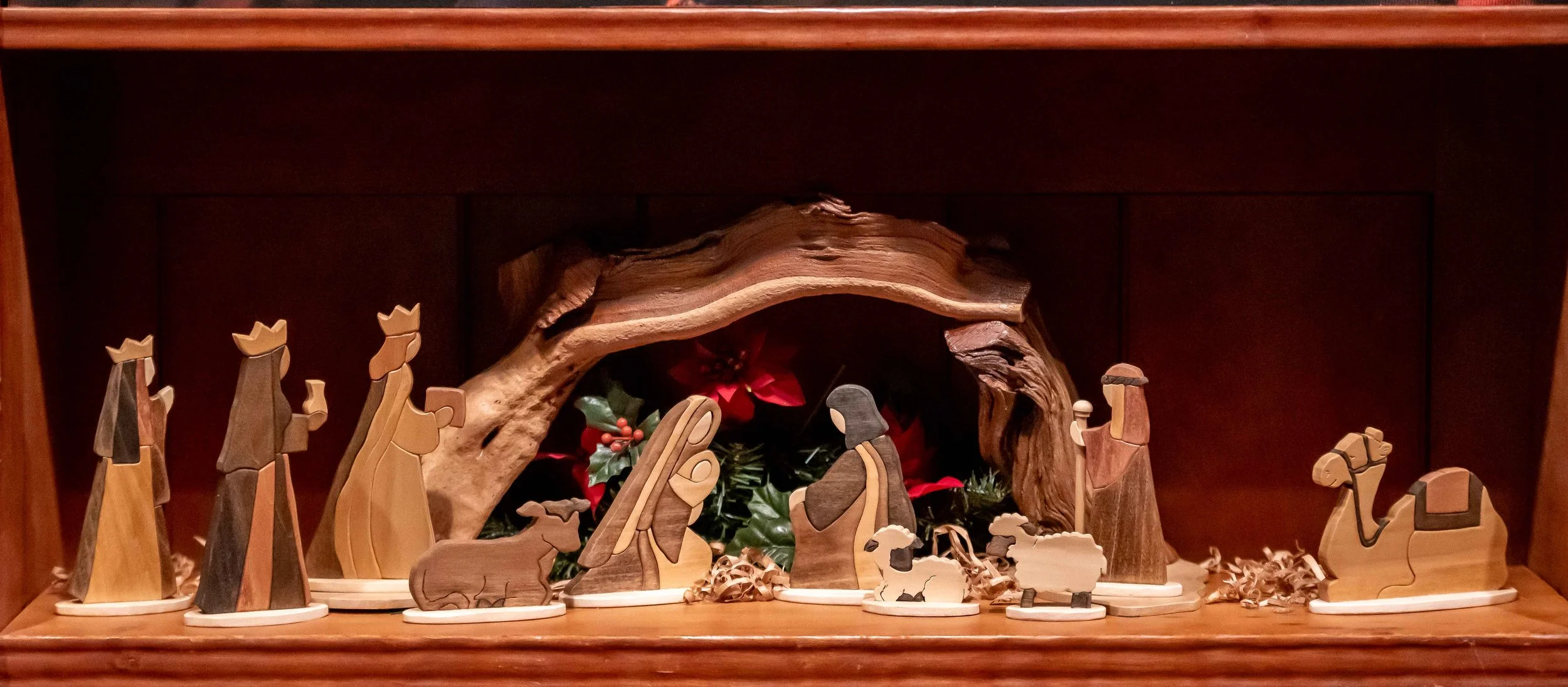
Figure 8: Scroll saw Nativity with manzanita wood stable (2013, age 33). Figures individually cut by A.J. DiAntonio from poplar wood, stained, and reassembled with a stable made of manzanita wood from Southern California. On loan from A.J. DiAntonio.
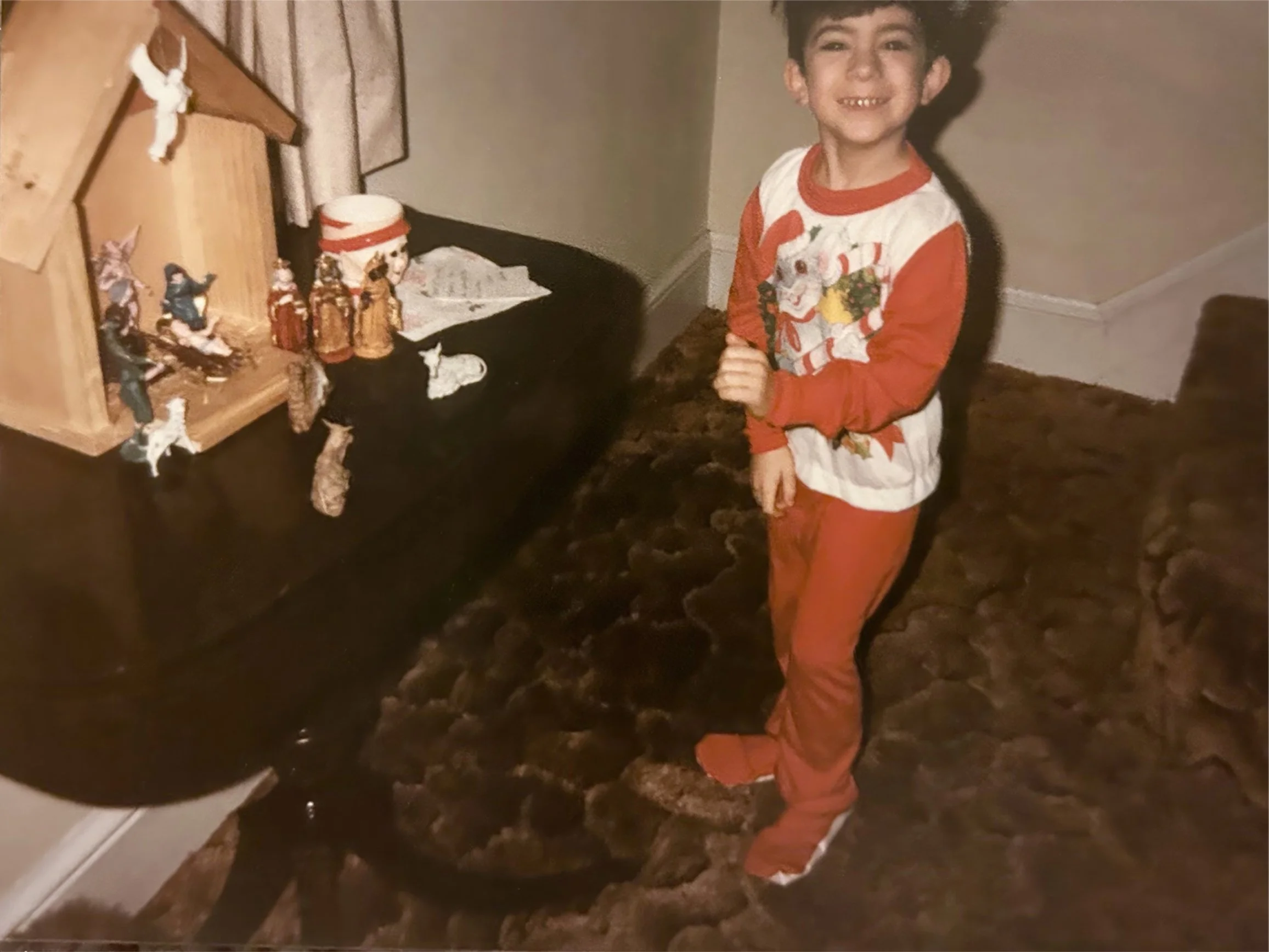
Figure 9: Five-year-old A.J. DiAntonio posing with his personal Nativity in 1984.
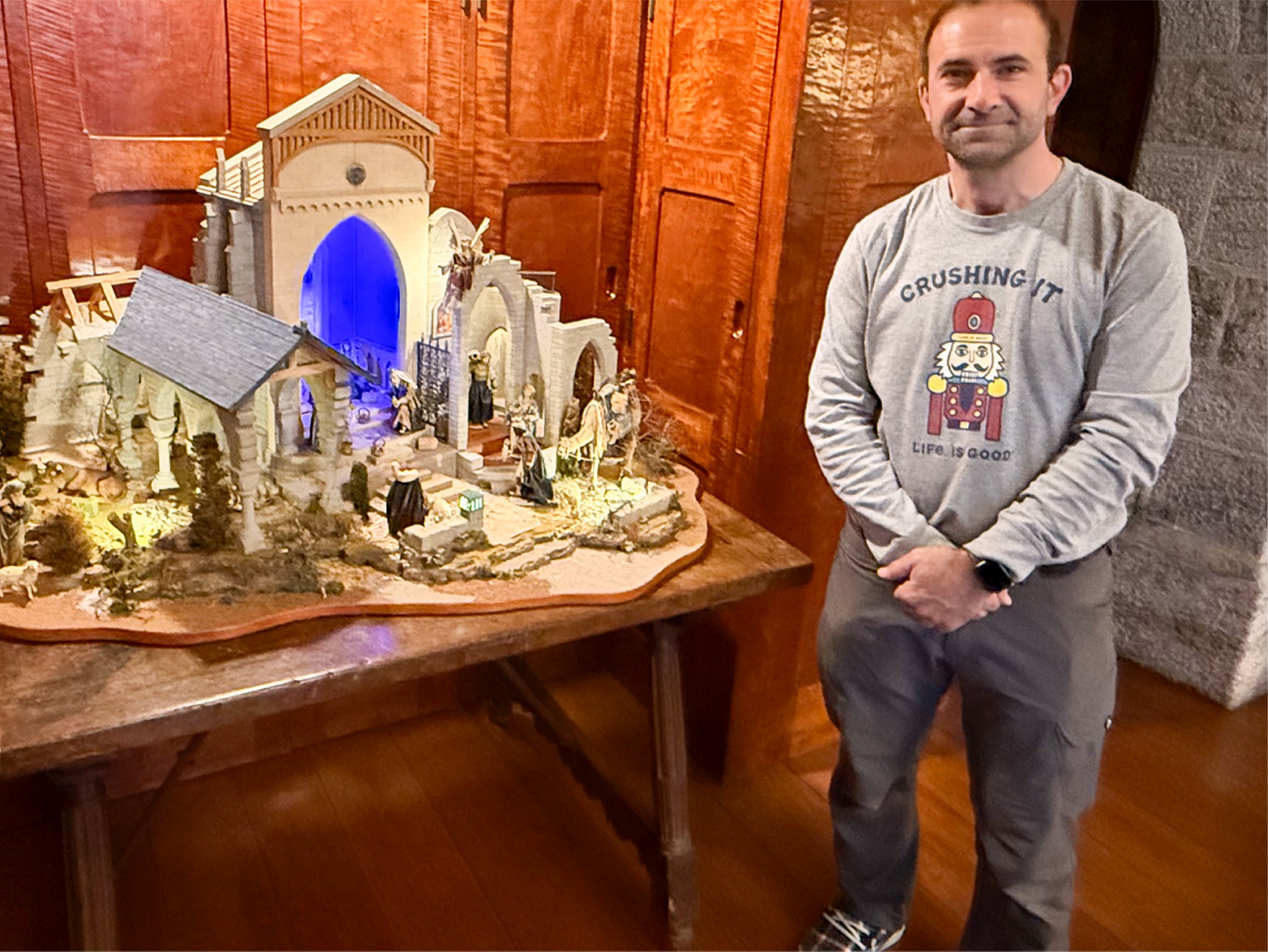
Figure 10: A.J. DiAntonio posing with Bryn Athyn Nativity, made by Navidad Nativities in 2025.
The Glencairn Museum collection includes a three-part Nativity scene created in the 1920s for the Pitcairn family by New Church (Swedenborgian Christian) artist Winfred S. Hyatt, as well as handmade chalkware sets produced by Theta Alpha International, a New Church women’s organization headquartered in Bryn Athyn. This local Nativity-making tradition began in Philadelphia with the Rev. William Henry Benade, a New Church minister. Inspired by his early years in the Moravian Church and its “putz” tradition of landscaped Nativity scenes, Benade introduced an elaborate Nativity in place of the church’s Christmas tree in 1888—a display the congregation described as a “representation.”
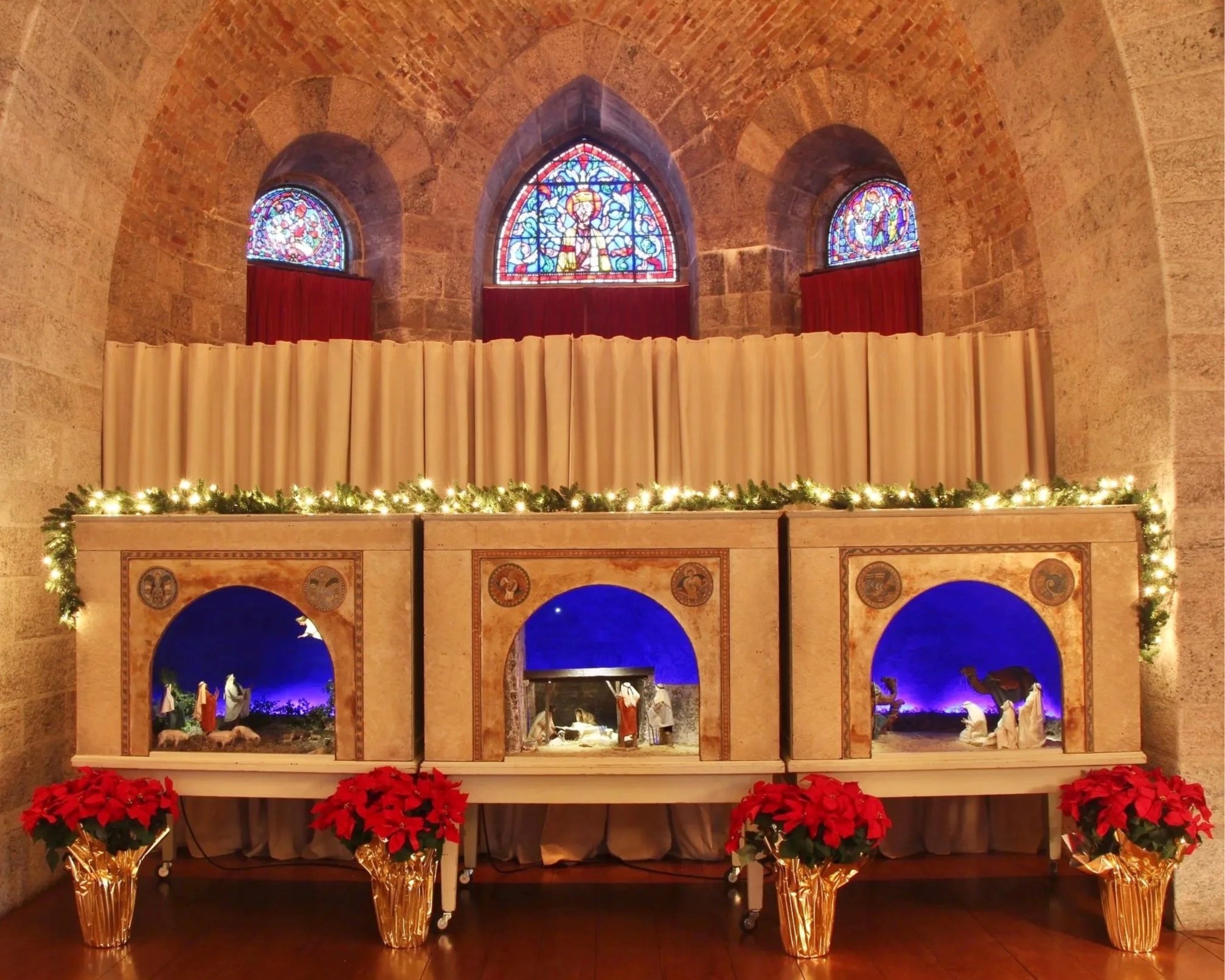
Figure 11: The three-part Nativity scene created in the 1920s for the Raymond and Mildred Pitcairn family by New Church artist Winfred S. Hyatt. On exhibit annually at Glencairn Museum as part of the World Nativities exhibition.
After the congregation’s move to Bryn Athyn, the Nativity tradition was carried on by families, the Bryn Athyn Church School, and individual artists, including Hyatt. From 1941 until the early 1990s, Theta Alpha International produced and distributed hundreds of handmade Nativity sets for New Church families and children, inspired by the teaching of Emanuel Swedenborg (1688–1772) that children learn religious ideas most effectively through simple representations appropriate to their level of understanding. Many of these sets are still cherished in New Church homes today.
For many Christians, the Nativity scene is a meaningful expression of religious faith, providing a compelling visual focus during the Christmas season. This year's World Nativities exhibition includes 63 Nativities from 29 different countries (see Figures 12–22). World Nativities shows how artists adapt the Nativity scene to represent their own spiritual, intellectual, cultural, and regional environments. Settings for many of the Nativities have been created by Bryn Athyn artist Kathleen Glenn Pitcairn.
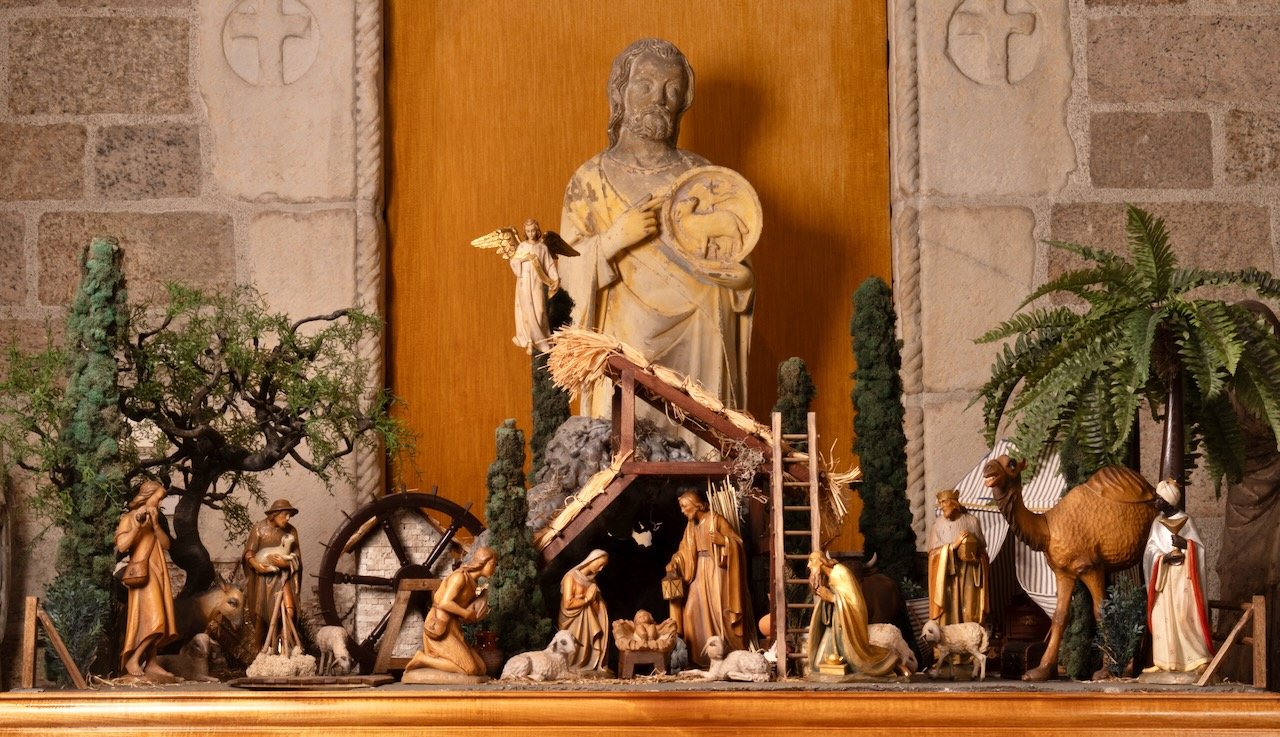
Figure 12: The Demetz Art Studio, founded in 1872, is one of the leading workshops for ecclesiastical woodcarving in Val Gardena, a region in Italy long renowned for its carving tradition. This “Kostner” Nativity (#1902) design was named for the original family in Val Gardena that designed and carved this style of Nativity, which now continues to be produced by the Demetz studio. The largest version of this design is in St. Patrick’s Cathedral in New York City. On loan from A.J. DiAntonio, Malvern, PA.
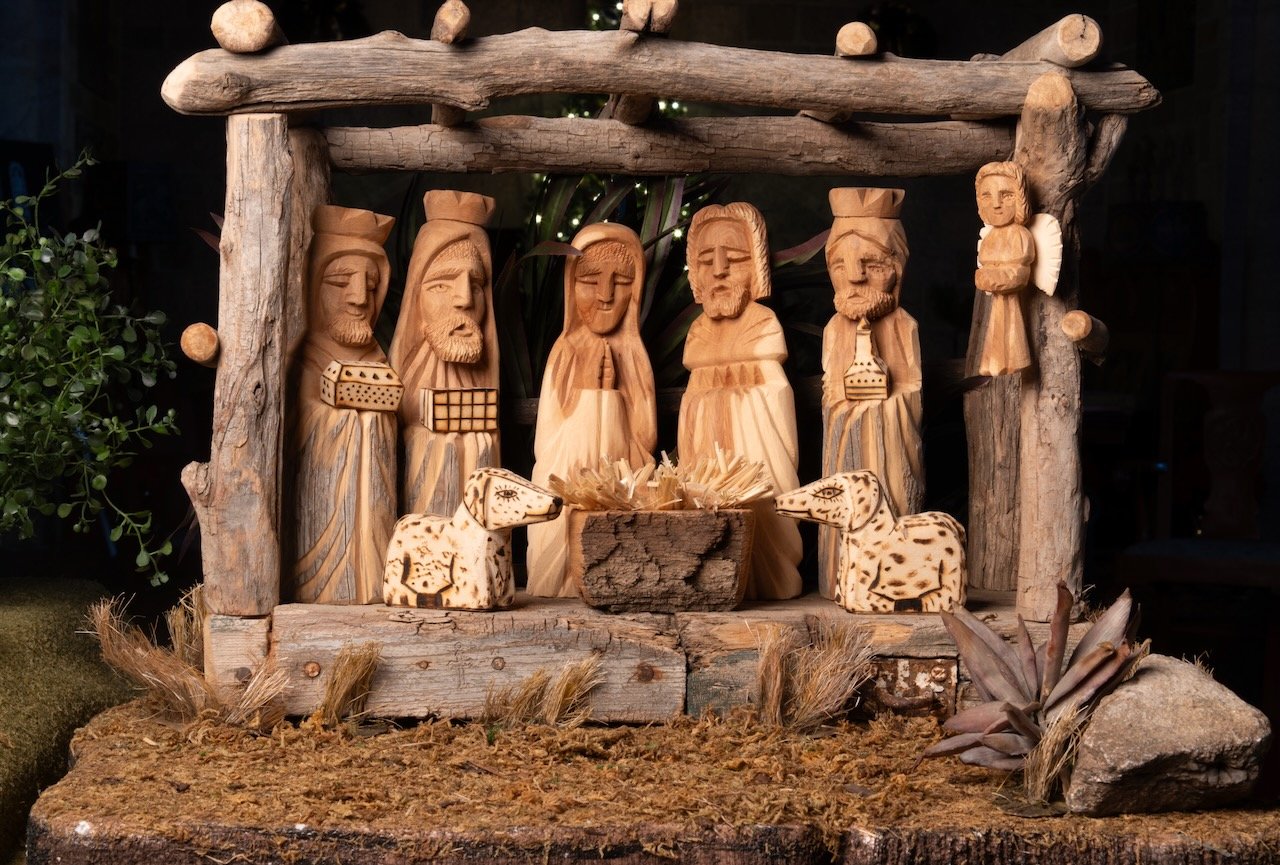
Figure 13: Leonardo Salazar is recognized as one of New Mexico’s finest santeros (carvers of saints). This New Mexican folk tradition began with the early settlers of the region, who carved and painted religious images remembered from their homelands. Salazar allows the pieces of wood, which he collects locally, to guide his work: “I look at the wood and it speaks to me. Then the piece unfolds itself in front of my eyes.” The base of this Nativity was made from an old door, which still retains part of its latch.
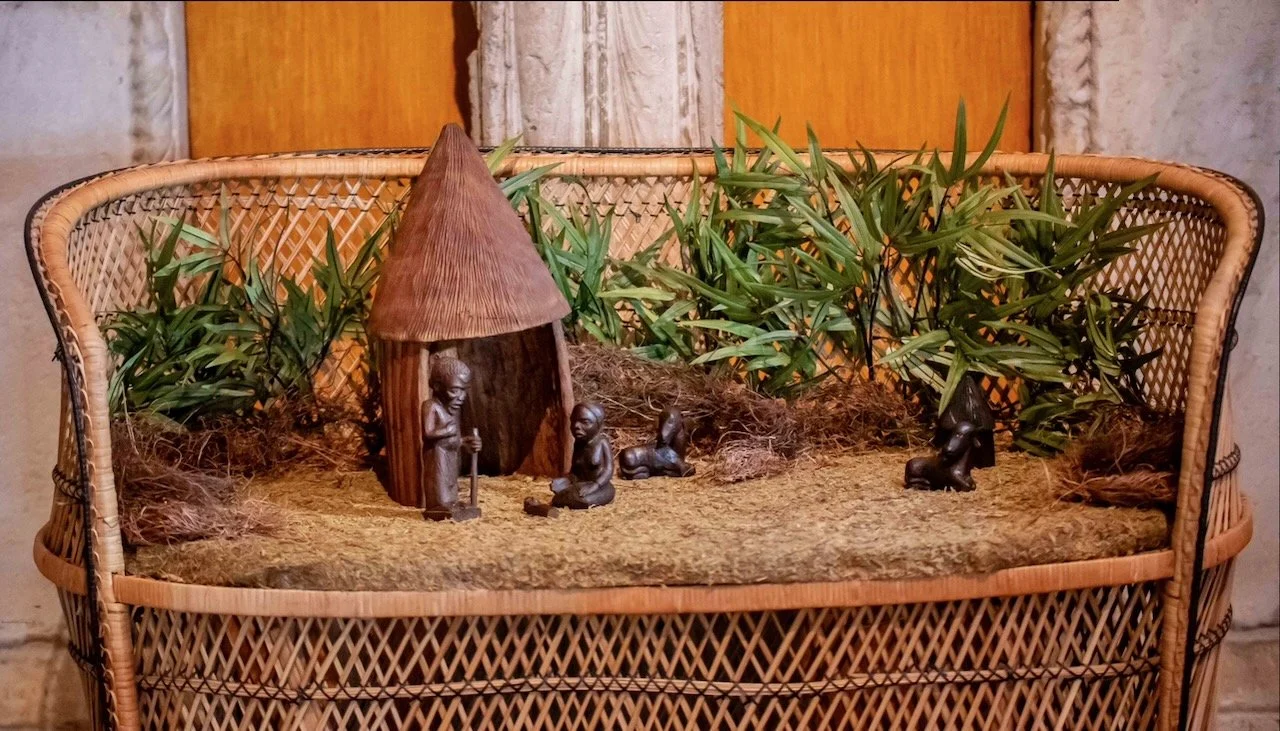
Figure 14: This Nativity is presented within a traditional East African setting including a thatched-roof hut and Sanga cattle. Thomas Mrewa, an artist and woodcarver who lived near the Nyadire Mission of the United Methodist Church in Zimbabwe, carved the figures and huts. This set was commissioned by Dr. JonnaLynn K. Mandelbaum, an alumna of Lebanon Valley College, while serving as a nurse in Zimbabwe in the 1970s. On loan from The Suzanne H. Arnold Art Gallery, Lebanon Valley College, Annville, PA.
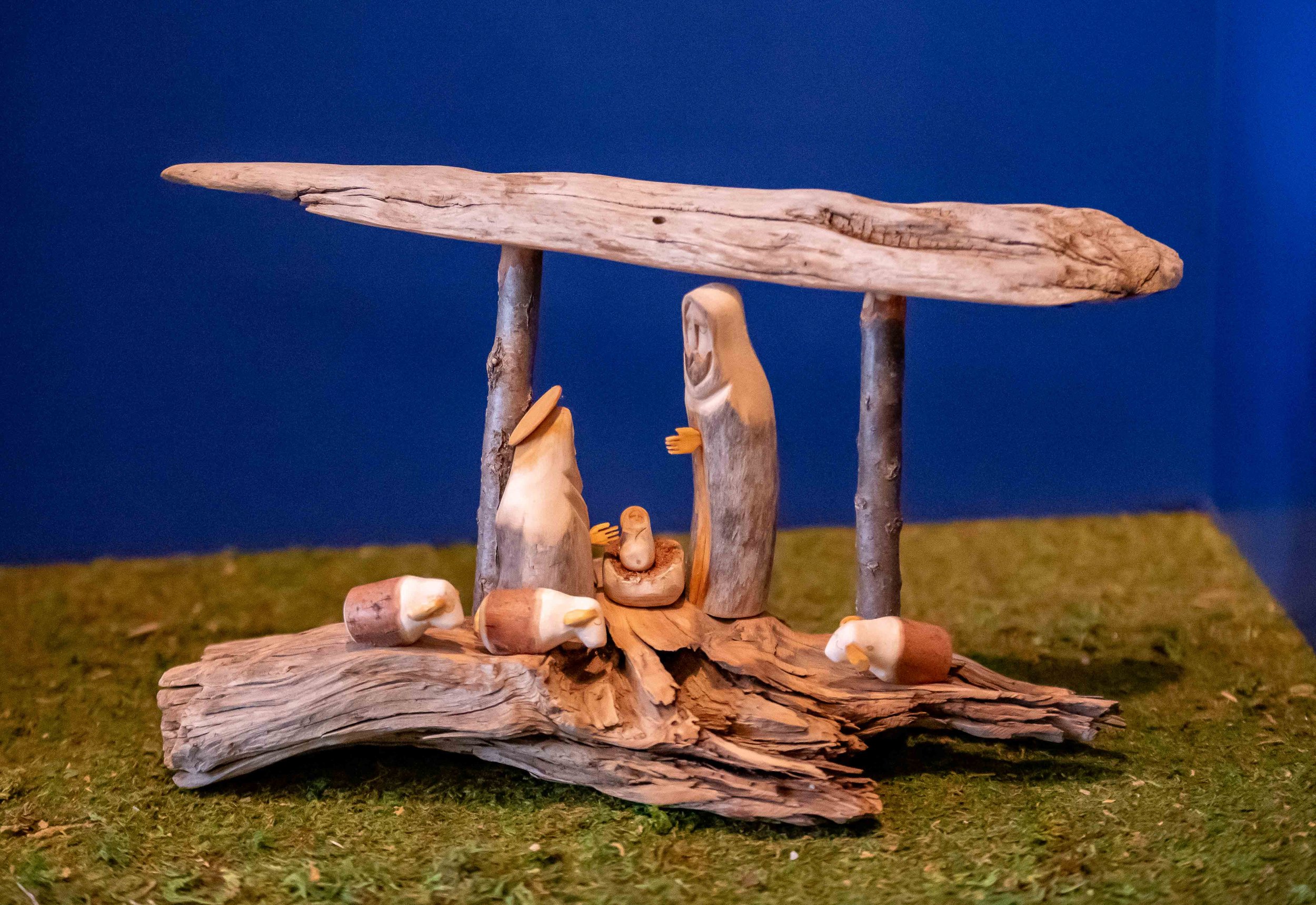
Figure 15: This Nacimiento (Nativity) was made from driftwood gathered from the dry arroyos and riverbeds of New Mexico by santera Louise Ortega, daughter of the late santero Ben Ortega. (Santera refers to a female maker of saints, and santero to a male.) Taught by her father, Louise began her career at age 14 carving wooden animals. In recent years, the tradition of “saint making” has increasingly been taken up by women artists.
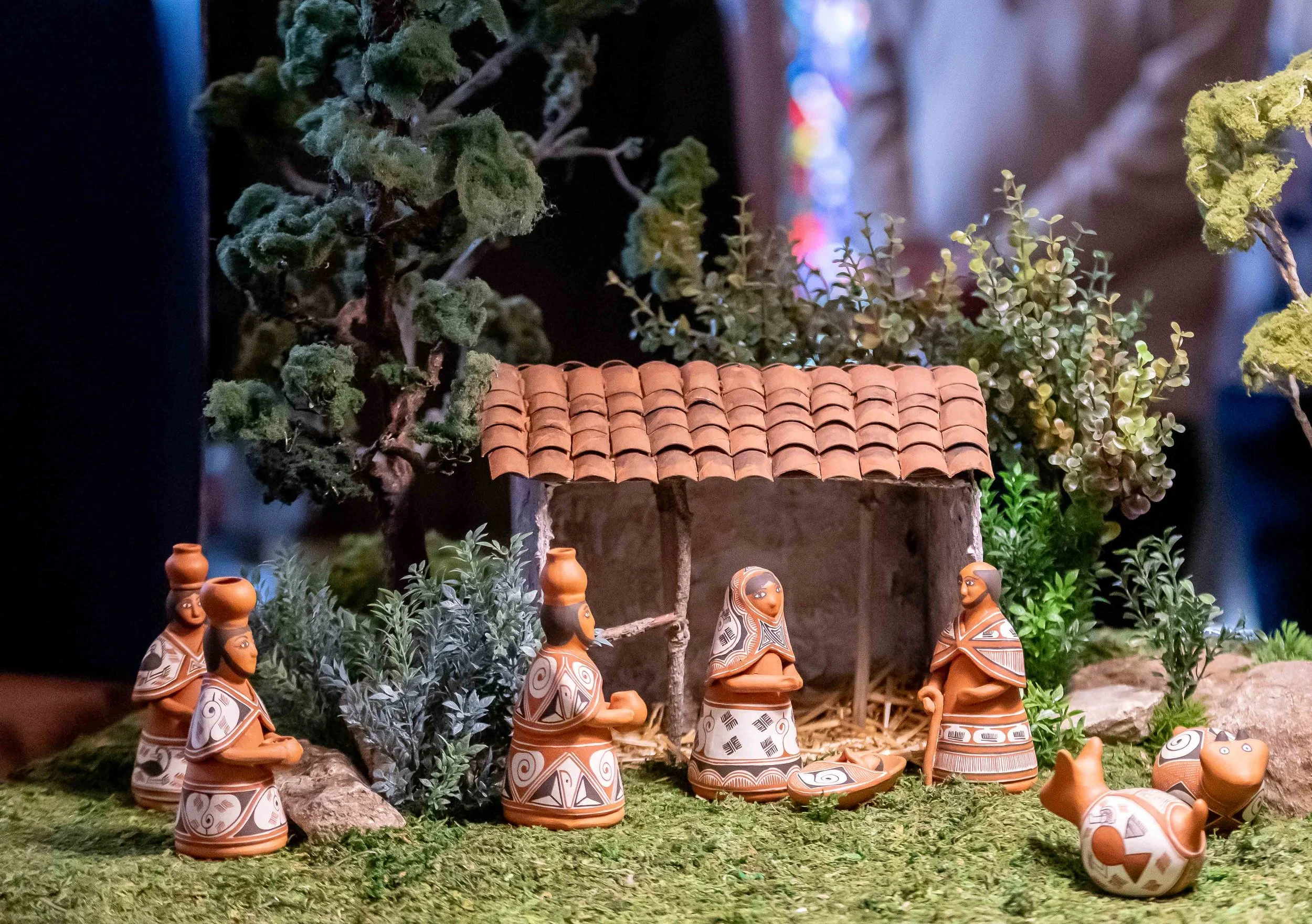
Figure 16: Long before it was founded by the Spanish in 1620, Quibor, located in the state of Lara, in Venezuela, was the site of an indigenous settlement. This eight-piece Nativity was molded by hand, then painted with glazes containing vegetable pigments and fired. The intricate geometric designs in red, black, and white are inspired by ancient designs found on artifacts of the region. The wise men carry their gifts in pots, and also appear to be carrying pots on their heads. Gift of Alan and Mary Liz Pomeroy.
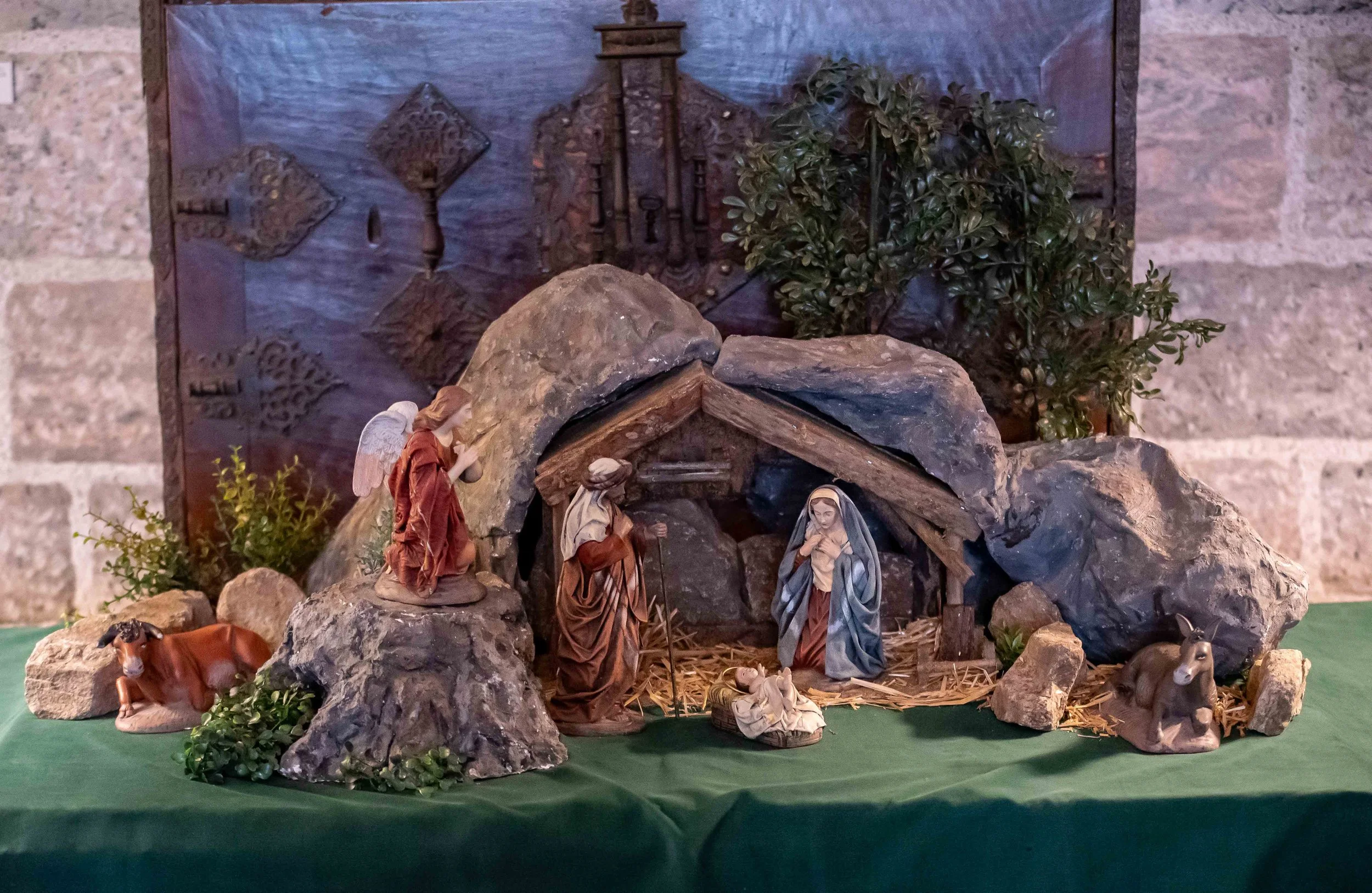
Figure 17: In 1933, Jose Puig Llobera established Belenes Puig S.L., a family-owned company famous for its Nativity figures (belenes, the Spanish word for Bethlehem, can also refer to a Nativity scene). The company is still run by the family, now operated by the third generation. The figures are handcrafted from clay molds, painted, and dressed with stiffened fabrics.
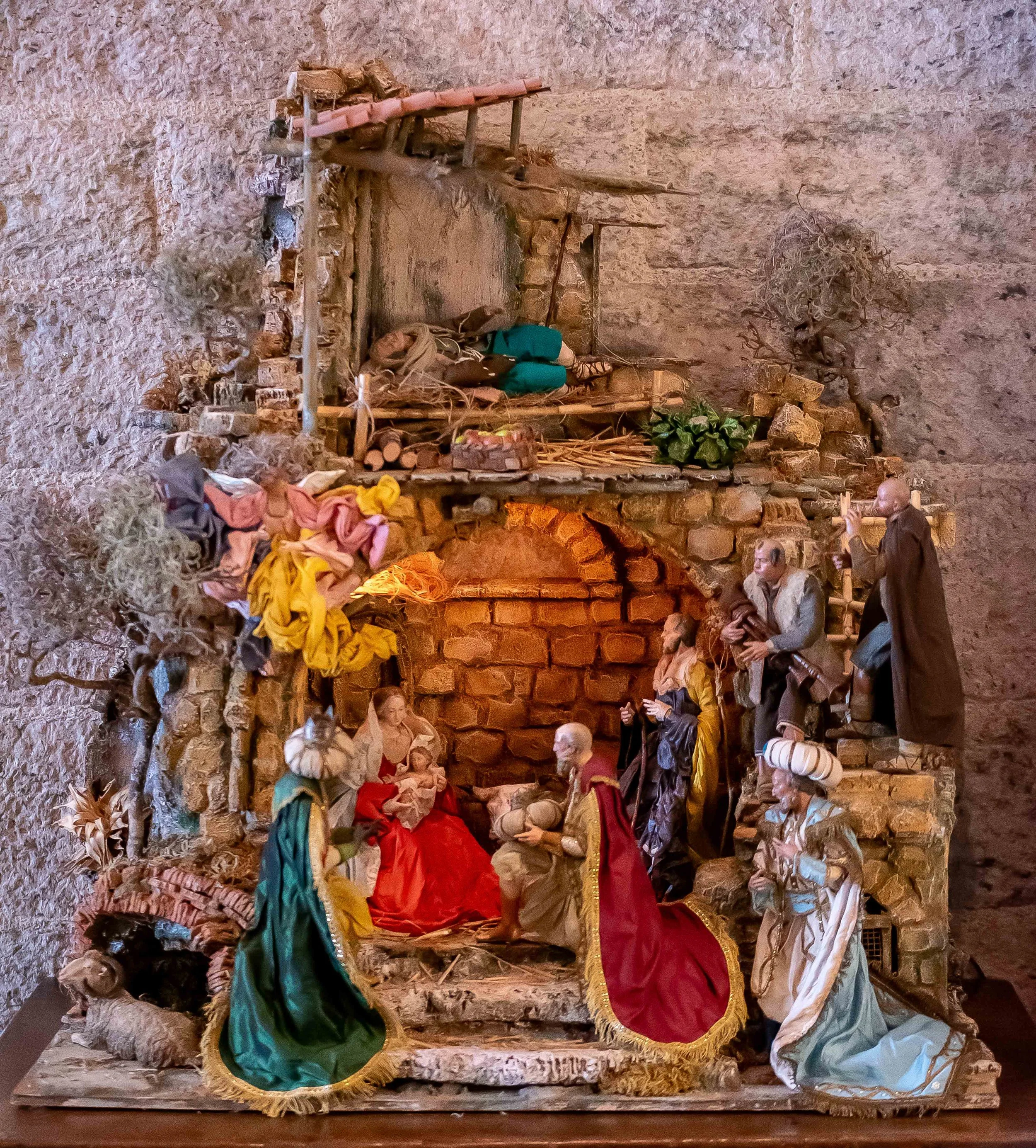
Figure 18: This Neapolitan presepio (Nativity) is the work of the Giuseppe and Marco Ferrigno company, a fourth-generation family business located in Naples, Italy. The Ferrignos own several shops on Via San Gregorio Armeno, a street known around the world by collectors of Nativities. The faces, hands, lower legs, and feet of the figures are made of terracotta, and the limbs were formed with wire wrapped in cloth so that each figure is posable. The clothing was handmade and draped in San Leucio silks. Most of the figures have glass eyes.
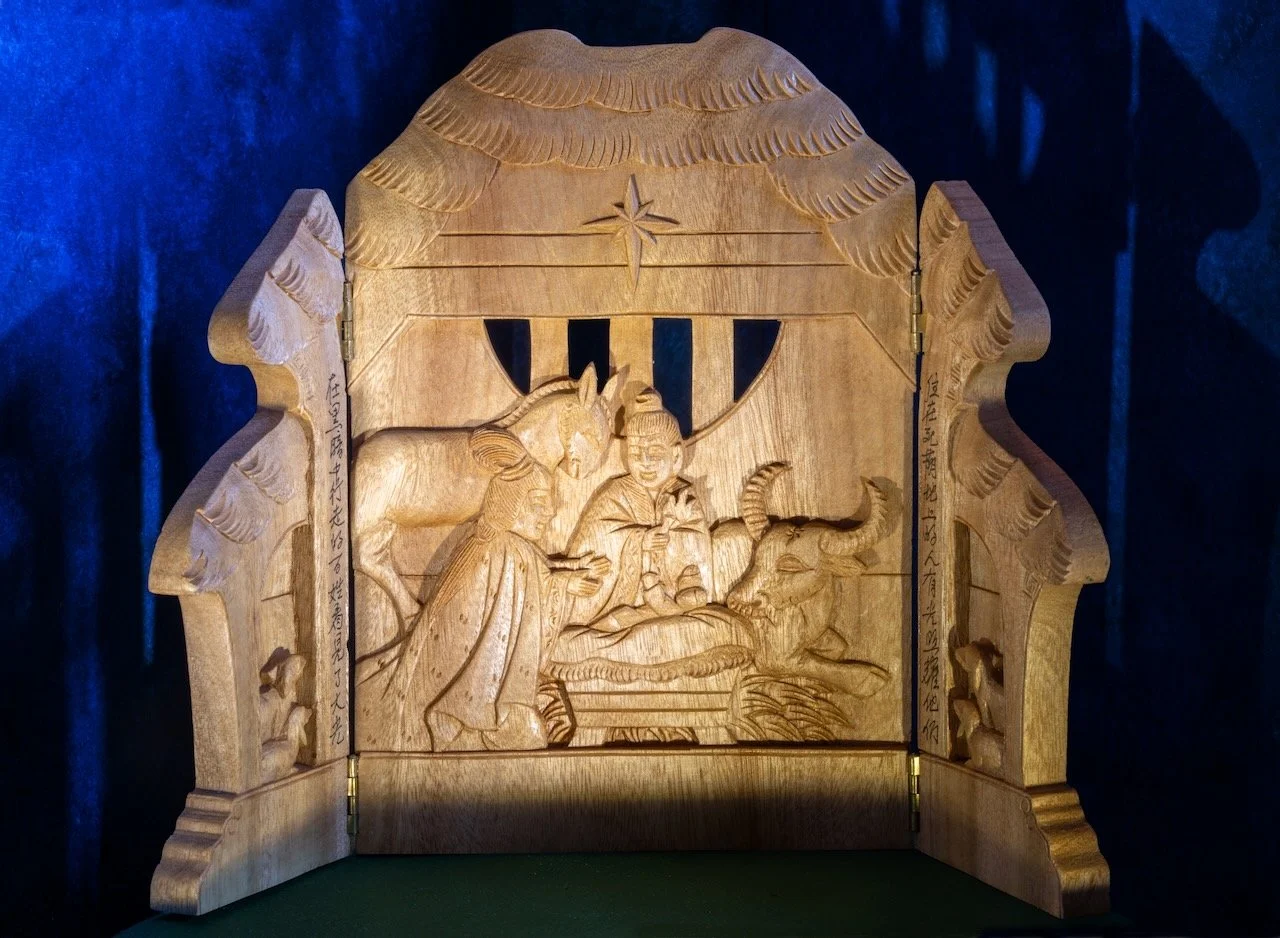
Figure 19: This Nativity was designed by Zhang Wanlong, a Chinese Christian, and carved in his woodworking shop in China. His shop, the Amity Christian Arts Center, is in the province of Zhejiang, a region famous within China for its ancient tradition of woodcarving. All of Wanlong’s products are inspired by Christian themes and biblical stories, and he is proud of his “union of Eastern and Western traditions.” The center of the triptych features the Holy Family with an ox (a Chinese symbol of protection and patient strength) and a donkey.
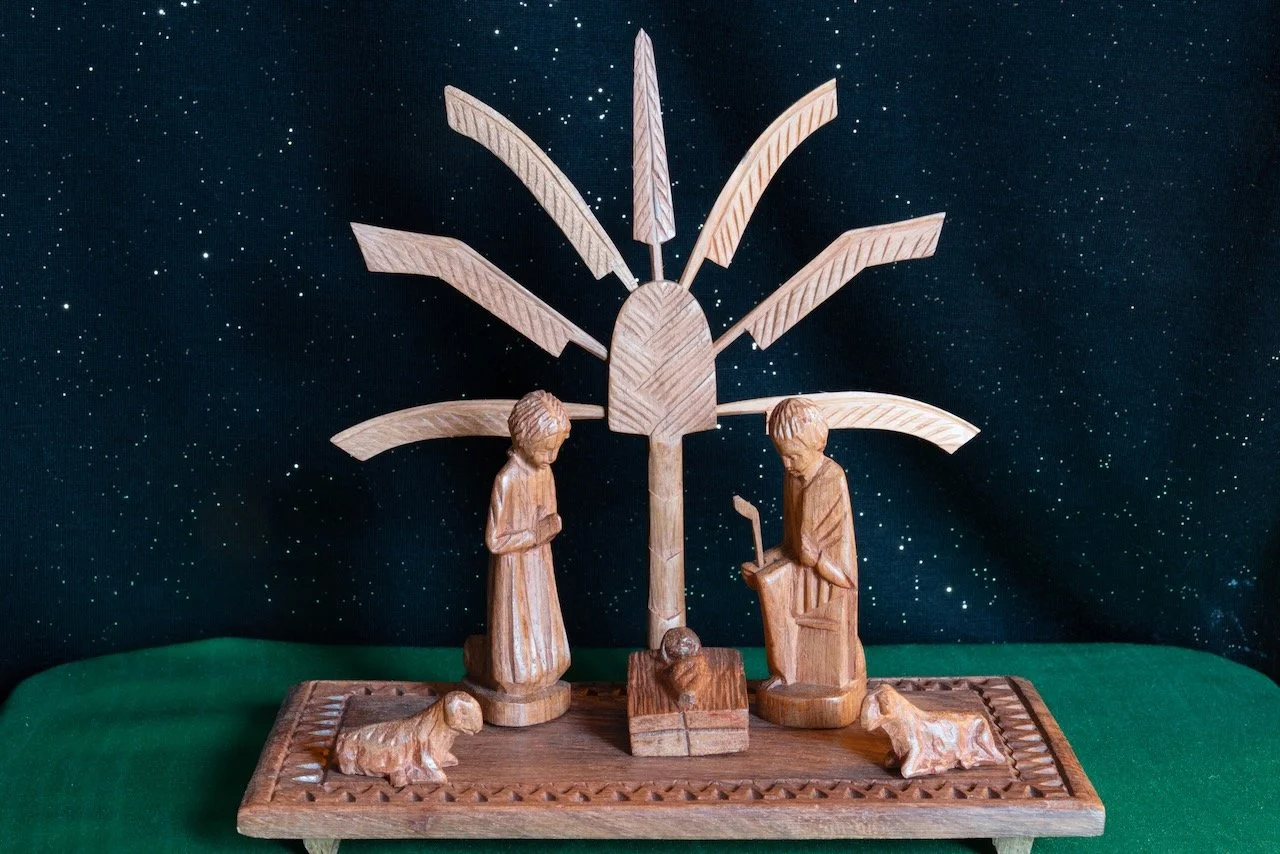
Figure 20: Located off the southeastern coast of Africa, Madagascar is the fourth-largest island globally. Approximately half of the Malagasy population adhere to indigenous beliefs, while most of the remaining population follow Christianity and Islam. Madagascar has a rich tradition of woodcarving with regional variations within the island. In 2008, the “woodcrafting knowledge” of the Zafimaniry people received UNESCO recognition as an Intangible Cultural Heritage of Humanity site. On loan from A.J. DiAntonio, Malvern, Pennsylvania.
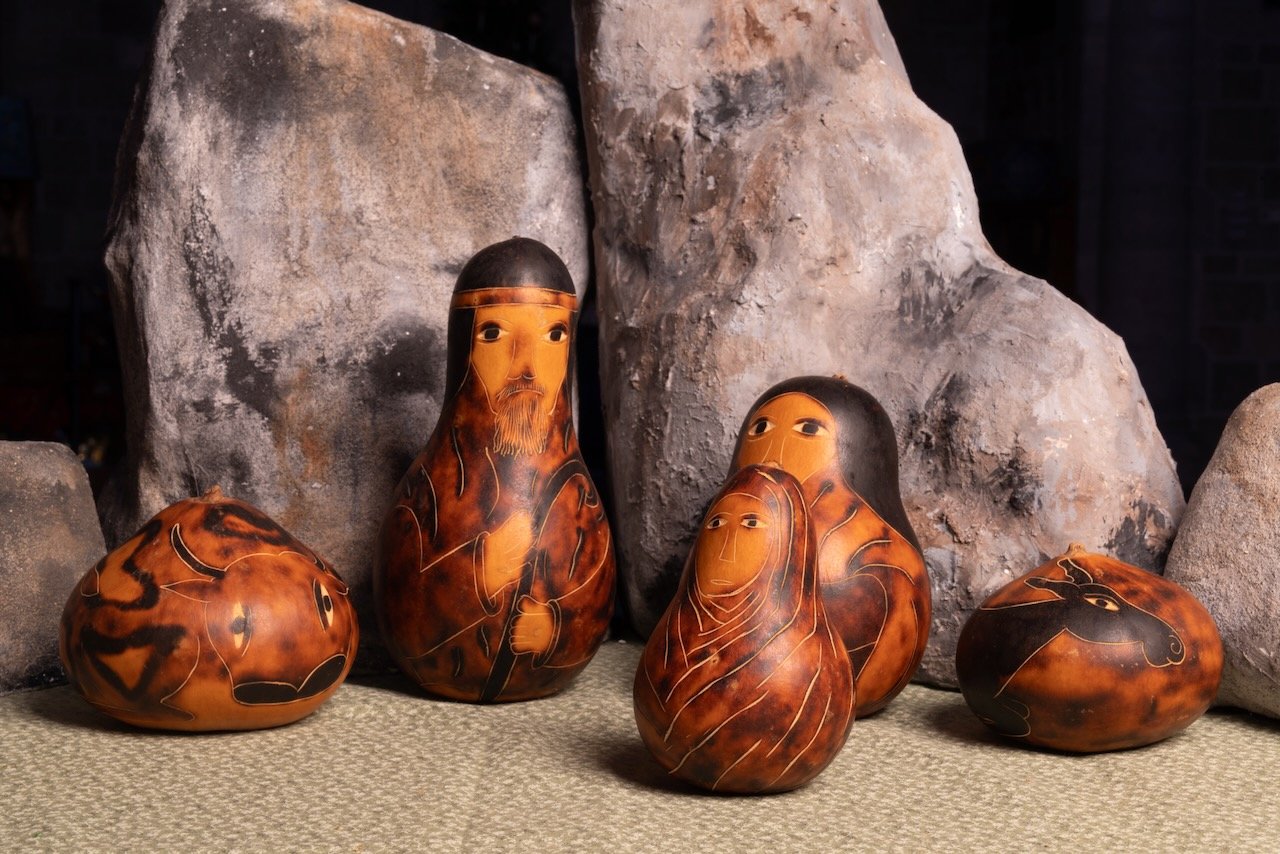
Figure 21: Gourd carving has been practiced in Peru for more than 4,000 years. Artisans harvest and sun-dry the gourds, which are then used for a variety of crafts, including Nativities. The gourds may be painted, carved, or decorated using a burning technique called quemado, which creates a range of brown tones. Designs on the gourds often convey personal or communal stories, myths, or scenes from everyday life. On loan from A.J. DiAntonio, Malvern, PA.
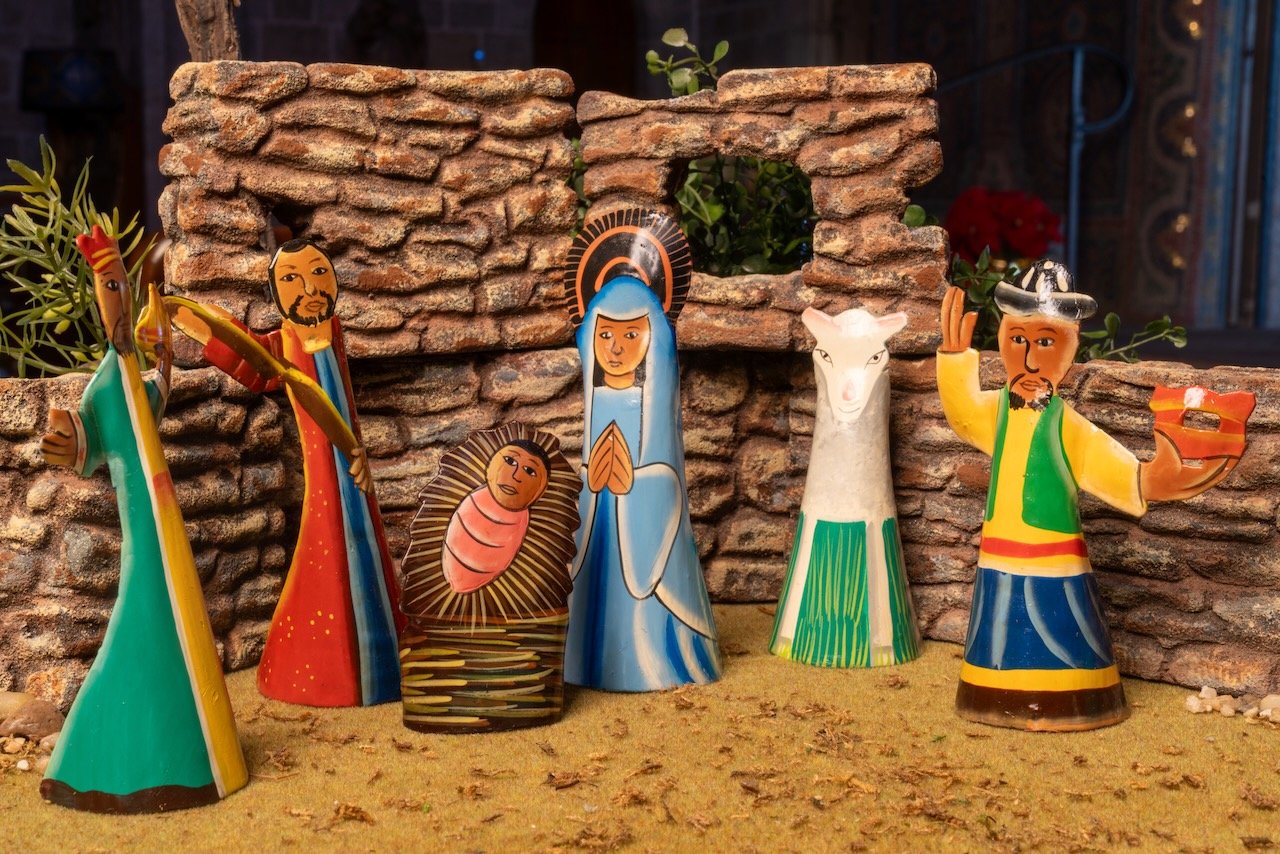
Figure 22: This colorful Nativity is crafted from a recycled oil drum. Haitian artists begin by cutting the tops and bottoms off the drums, which they then slice open, flatten, and clean before decorating the surfaces. On loan from A.J. DiAntonio, Malvern, PA.
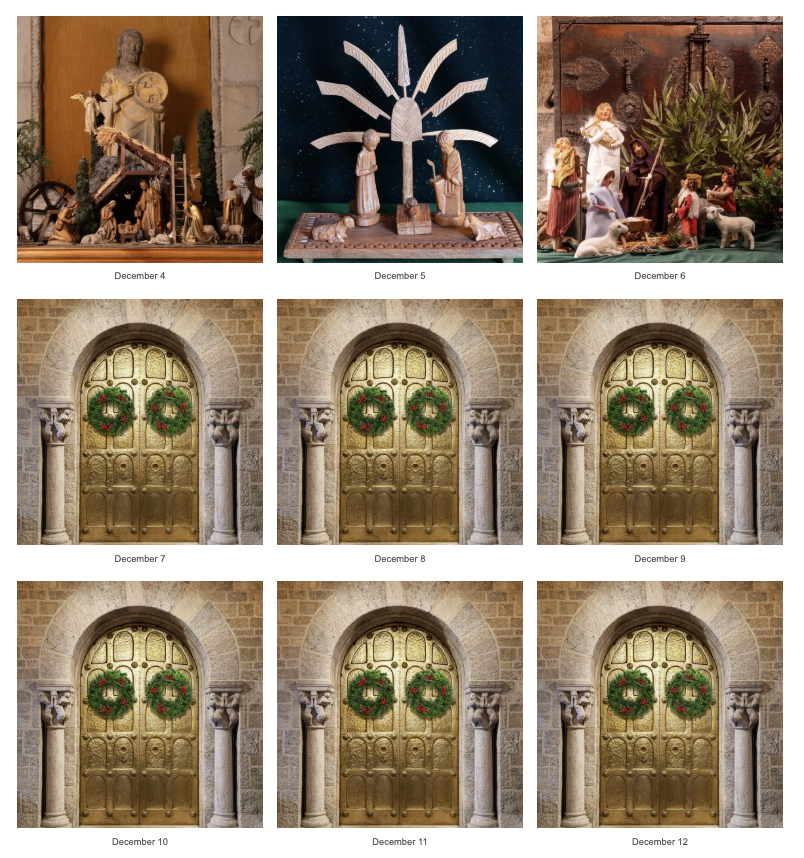
Figure 23: Every day, from December 1 through December 25, a new Nativity scene from Glencairn’s 2025 World Nativities exhibition will appear in our online Advent calendar. Follow Glencairn’s social media (Facebook, Instagram) to receive each day’s Nativity in your newsfeed.